
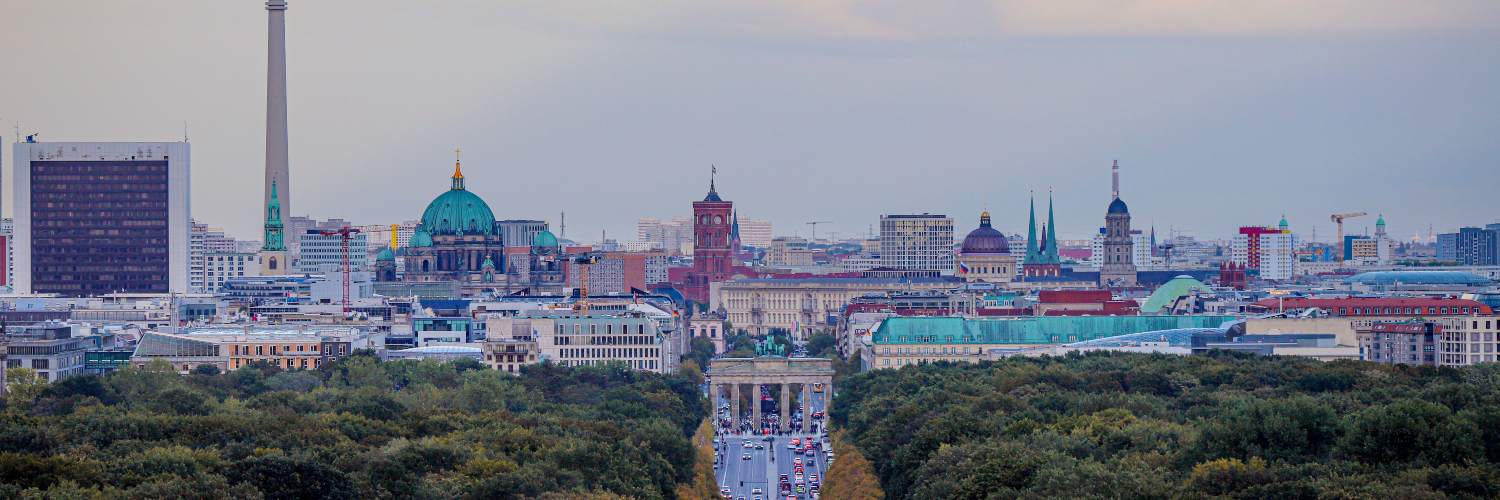
Landing in Berlin for the first time? Your first day should be simple: clear the airport, get into the city, check in somewhere, eat something good, and get a feel for your neighborhood before you crash. This Berlin arrival guide walks you through exactly that, hour by hour, with real numbers, not vague tips.

How Do I Get From Berlin Airport to the City?
Berlin Brandenburg Airport (BER) sits about 24 km southeast of the city center. The fastest way in is the Airport Express train (FEX), which runs from the station under Terminal 1 straight to Berlin Hauptbahnhof in about 23–30 minutes, departing every 15–30 minutes from early morning until past midnight.
Your main options:
- FEX / Regional train, 23–30 minutes to Hauptbahnhof, single ticket around €3.80–4.40
- S-Bahn (S9), slower, around 50 minutes, same ticket price, more stops
- Taxi, 30–40 minutes depending on traffic, typically €45–65
- Pre-booked private transfer, same road time as a taxi, but your driver tracks your flight and is waiting when you land, so there’s no queue or price negotiation.
If it’s your first trip, you land late, or you’re carrying a lot of luggage, a pre-booked Berlin Airport Transfer removes the part of arrival day that usually goes wrong: standing in a taxi line after a long flight, unsure what you’ll be charged. With Rydeu, your driver watches your flight, waits for free for a set window after landing, and takes you straight to your address.
Berlin Airport to City Checklist: What to Do Before You Land
Use this Berlin airport-to-city checklist while you’re still in the air or waiting to deplane:
- Download the BVG or VBB app for real-time transit info and digital tickets
- Have your hotel/apartment address saved offline (Berlin airport WiFi can be patchy right after landing)
- Withdraw a small amount of cash; some kiosks and smaller shops still don’t take cards
- Know your terminal: T1 is the main terminal; T2 mostly serves budget carriers, but they’re a short walk apart
- If you pre-booked a transfer, have your booking confirmation and driver contact details ready to show at the pickup point
What Should I Do in My First Hour After Landing?
Clear immigration and baggage claim first; this usually takes 20-40 minutes depending on your flight’s arrival time. Once you’re through, head straight to the train station level (follow signs for “Bahnhof” or “Trains”) if you’re taking public transit, or to your designated pickup zone if you’ve arranged a transfer.
Don’t try to cram in sightseeing in this window. Your only job in hour one is getting from the plane to your accommodation without wasting energy.
Where Should I Check In First?
Most first-time visitors base themselves in one of these areas:
- Mitte – closest to major landmarks (Brandenburg Gate, Museum Island), walkable, but pricier
- Prenzlauer Berg – quieter, leafy streets, great cafés, still well-connected by train
- Friedrichshain-Kreuzberg – nightlife, street food, more local feel, slightly grittier
- Charlottenburg – calmer, near Zoologischer Garten station, good for longer stays
If this is a short trip, Mitte or Prenzlauer Berg cuts down on daily commute time to the main sights.
What’s a Realistic Plan for My First Day in Berlin?
Here’s a practical hour-by-hour schedule for your first day in Berlin, assuming a morning arrival:
- 9:00–10:30 AM – Land, clear immigration, transfer to accommodation
- 10:30–11:30 AM – Check in or drop bags, quick shower/change
- 11:30 AM–1:00 PM – Short walk around your neighborhood, grab lunch at a local bakery or currywurst stand
- 1:00–4:00 PM – One major sight, not three. Brandenburg Gate and a walk through Tiergarten is a good, low-effort combo for jet-lagged legs
- 4:00–6:00 PM – Coffee break, rest at accommodation if needed
- 6:00–8:30 PM – Dinner in your neighborhood; avoid restaurants right at the tourist landmarks (they’re pricier and rushed)
- 8:30 PM onward – Early night. Jet lag hits hardest on day two if you don’t rest on day one
If you land in the evening, skip straight to check-in, a simple dinner nearby, and rest, save sightseeing for day two.
Do I Need a Transit Ticket, or Can I Walk Everywhere?
Central Berlin is walkable in patches, but the city is spread out, so you’ll want transit for anything beyond your immediate neighborhood. A single AB-zone ticket costs around €3.20–3.50 and covers 2 hours of travel in one direction, including transfers between bus, train, and tram. If you’re planning to move around a lot on day one, a day ticket is usually better value than buying single tickets each time.
What Should I Pack in My Day Bag for Arrival Day?
- Phone charger or power bank (you’ll be relying on your phone for maps and tickets)
- A printed or downloaded copy of your accommodation address and booking reference
- Weather-appropriate layer – Berlin weather shifts quickly, even in summer
- A small amount of euros in cash
- Your transfer or taxi booking confirmation, if you have one
FAQs
- How long does it take to get from Berlin Airport to the city center?
By train, about 23–30 minutes to Hauptbahnhof. By taxi or private transfer, around 30- 40 minutes depending on traffic.
- Is it better to book an airport transfer in advance or find a taxi on arrival?
Booking in advance means your driver tracks your flight and waits for you, so there’s no line and no price surprise. This matters most if you’re landing late at night or traveling with a lot of luggage.
- What’s the best area to stay in for a first Berlin visit?
Mitte or Prenzlauer Berg both work well; they’re central, walkable, and close to major sights without being in the busiest tourist strip.
- Should I plan sightseeing on my arrival day?
Keep it light. One major sight and a neighborhood walk is enough. Save full sightseeing days for when you’re not jet-lagged.
- Do I need cash in Berlin, or is a card enough?
Cards are accepted almost everywhere now, but it’s still smart to carry a small amount of cash for smaller cafés, bakeries, and markets.
 Which is the Closest Airport to Eiffel Tower Paris? A Traveler’s Guide
  Frankfurt Airport Terminal 1 to Terminal 2 Distance – The Complete Travel Guide
  Which Airport is Closest to the Paris Eiffel Tower? A Complete Guide for Travelers
  Does It Snow in Rome, Italy? A Complete Guide to Winter in the Eternal City
  What is the Best Month to Visit Valencia? A Complete Guide by Rydeu