
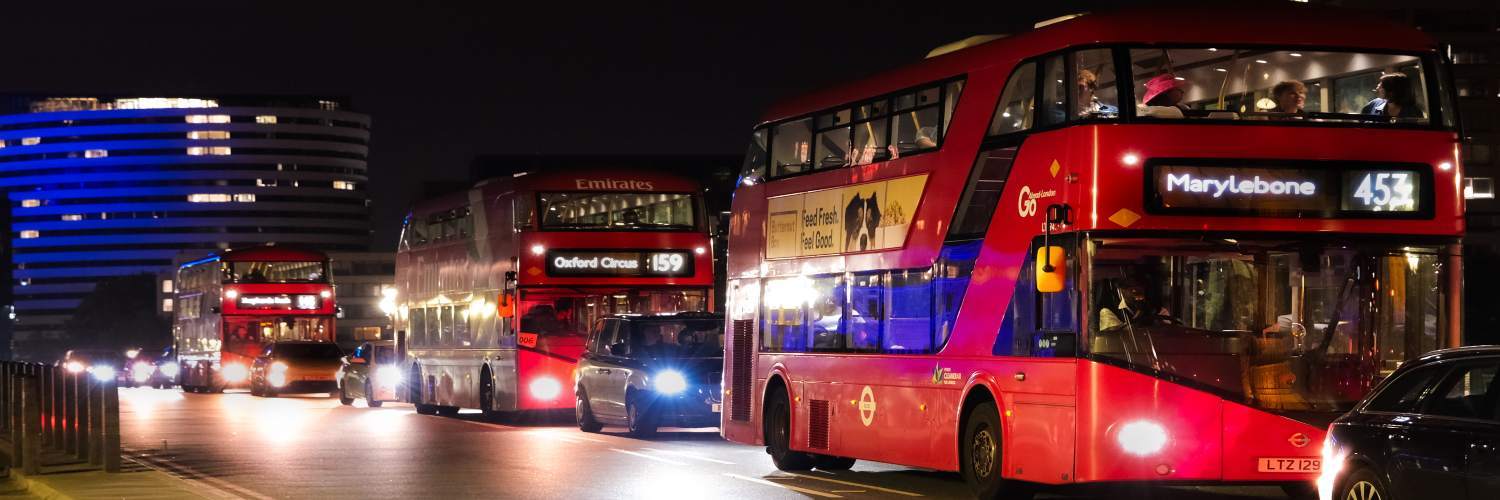
Yes, rush hour taxi fares in London can run 20–50% higher than off-peak, mainly because black cabs charge by time when traffic is slow, and ride-hailing apps apply surge multipliers of 1.5x to 3x during peak demand. Fixed-price airport transfers like Rydeu’s are the one option that doesn’t move with traffic or demand, the price you see at booking is the price you pay.
Here’s exactly how the London airport taxi rush hour price works, what triggers it, and how to avoid getting hit by it.
What Counts as Rush Hour in London?
Morning rush typically runs 7 AM to 10 AM, and evening congestion peaks between 4 PM and 7 PM on weekdays. Roads across Central London and the routes into Heathrow, Gatwick, and City Airport slow down significantly during these windows, and that directly affects your fare.
- Morning peak: 7:00 AM – 10:00 AM
- Evening peak: 4:00 PM – 7:00 PM
- Weekend daytime and Friday/Saturday nights also see higher demand pricing, even without heavy traffic
Why Does Traffic Make Fares Go Up?
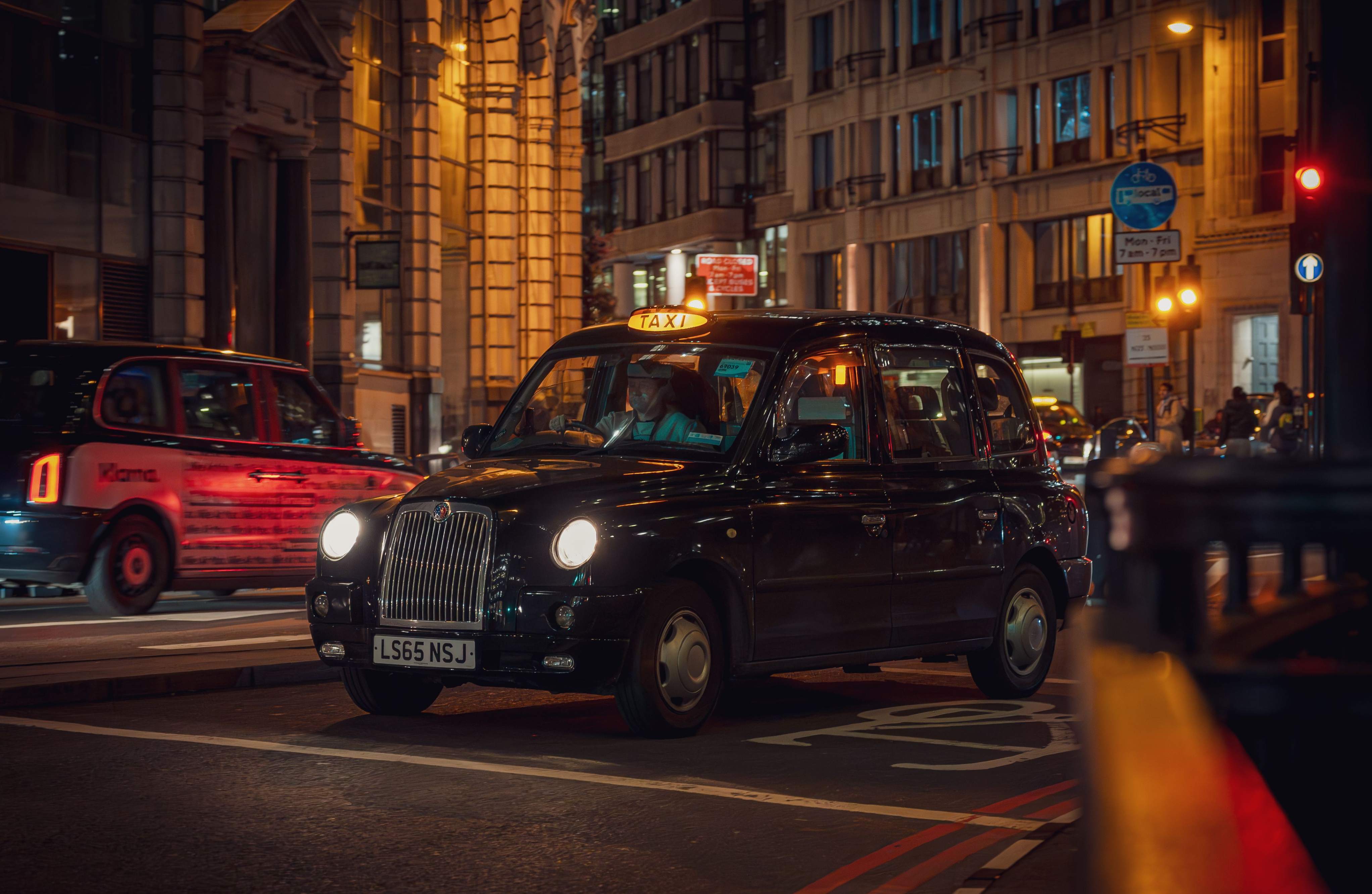
Licensed black cabs run on a TfL-regulated meter that switches from a per-mile rate to a per-minute rate whenever the car drops below 10.4 mph. So sitting in traffic doesn’t just slow you down, it actively runs the meter higher. A 20-minute trip in light traffic can stretch to nearly an hour during heavy congestion, and the fare climbs the whole time you’re stationary.
Black cabs also use three time-based tariff bands:
- Tariff 1: Monday–Friday, 5 AM–8 PM: the cheapest band, around £4.10 per mile
- Tariff 2: Evenings 8 PM–10 PM and weekend daytime: a step up in price
- Tariff 3: 10 PM–5 AM and public holidays: the highest band, around £5.25 per mile
The minimum fare across all tariffs is £4.40.
What Is Surge Pricing for London Airport Trips?
Surge pricing London airport journeys mostly come from ride-hailing apps, not black cabs. Ride-hailing pricing is algorithmic, it rises automatically when there are more riders requesting cars than drivers available nearby. This happens most often during:
- Weekday rush hours (7-10 AM and 4-7 PM)
- Friday and Saturday nights
- Bad weather
- Major events, concerts, or football matches
- Tube strikes or other transport disruptions
During heavy surge, a fare that would normally cost around £30 can jump to £45–£90 for the same route. Black cab meters never surge; they’re fixed by TfL regardless of demand, but they still get more expensive during rush hour because of the extra time stuck in traffic.
Peak Time Taxi London: How Much More Should You Expect to Pay?
For a peak time taxi London airport run, here’s a realistic comparison for a Heathrow to Central London trip:
| Time of Travel | Typical Fare Range |
| Off-peak (Tariff 1, light traffic) | £64–£75 |
| Rush hour / heavy traffic | £90–£120 |
| Ride-hailing app during surge | £45 base fare can become £70–£100+ |
| Pre-booked fixed-fare transfer | Locked at booking, no change regardless of traffic |
The pattern is consistent: metered and app-based fares move with traffic and demand, while a pre-booked fixed fare stays exactly where it was quoted.
How to Avoid Traffic Airport Transfer London Costs
If you want to avoid traffic airport transfer London price spikes, timing and booking method both matter.
- Book a fixed-fare transfer in advance. With Rydeu, your fare is locked the moment you book, so rush-hour traffic or last-minute demand spikes don’t change your final bill.
- Shift your travel by 30 minutes. Leaving just before or after the 7–10 AM and 4–7 PM windows can meaningfully cut your fare and travel time.
- Check surge before you hail a ride-hailing app. If the app shows a multiplier above 1.5x, switch to a pre-booked option instead.
- Avoid Friday and Saturday night departures if you can shift your flight or train slightly — this is when app-based surge is most aggressive.
- Factor in airport drop-off charges. Heathrow adds a £7 drop-off charge and Gatwick/Stansted add £10, these apply regardless of traffic, but they’re built into a pre-booked fixed fare rather than added as a surprise.
Why Fixed-Fare Transfers Make Sense During Rush Hour
When travelling from London Heathrow Airport, booking a London airport transfer in advance can help you avoid unpredictable taxi fares during rush hour while keeping your journey comfortable and stress-free.
The biggest advantage of booking ahead isn’t just convenience — it’s predictability. When you book a London Airport Transfer with Rydeu, your price is confirmed before you travel, regardless of whether your route hits heavy traffic or your ride-hailing app is showing a 2x multiplier that day. Your driver also tracks your flight, so a delayed landing during evening rush hour won’t cost you extra waiting fees.
For travelers moving through Heathrow, Gatwick, Stansted, Luton, or City Airport during the busiest hours of the day, that price certainty is often worth more than shaving a few minutes off the trip.
FAQs
- What time is rush hour for London airport taxis?
Morning rush runs from 7 AM to 10 AM, and evening rush runs from 4 PM to 7 PM on weekdays. Fares tend to be higher during both windows due to slower traffic and higher demand.
- Do black cab fares surge like ride-hailing apps?
No. Black cabs use a TfL-regulated meter with fixed tariff bands that never change based on demand. They can still cost more during rush hour, but only because slow traffic switches the meter to a per-minute rate.
- Is it cheaper to book an airport taxi in advance?
Yes. A pre-booked fixed fare typically costs less than a metered black cab or a surging ride-hailing app during peak hours, since the price is set at booking and doesn’t change with traffic or demand.
- Does time of day affect Heathrow or Gatwick drop-off charges?
No, drop-off charges (around £7 at Heathrow and £10 at Gatwick and Stansted) are flat fees that apply regardless of the time of day.
- How much more should I budget for a rush-hour airport trip?
Plan for roughly 20–50% more than an off-peak fare if you’re traveling by metered taxi or an on-demand app during rush hour. A pre-booked fixed-fare transfer avoids this increase entirely.
 Which is the Closest Airport to Eiffel Tower Paris? A Traveler’s Guide
  Frankfurt Airport Terminal 1 to Terminal 2 Distance – The Complete Travel Guide
  Which Airport is Closest to the Paris Eiffel Tower? A Complete Guide for Travelers
  Does It Snow in Rome, Italy? A Complete Guide to Winter in the Eternal City
  Distance London to Paris: How Far & Best Ways to Travel